

Robotic prostate surgery is a minimally invasive surgery where the prostate is removed using cutting edge technology. Robot controlled instruments are advanced into the abdominal cavity via centimeter long incisions. These instruments are used to remove the prostate and reconstruct the urinary tract. This robotic technique allows for shorter hospital stays, faster recovery and a more precise surgery. Dr Bruck and Mennie have extensive experience with robotic surgery. Dr Bruck performed the first robotic prostatectomy in the Baptist South Florida Health System in 2006
This minimally invasive surgery is done for a variety of reasons. Laparoscopic instruments and a video scope are used via small incisions to access the kidney. This surgery is performed for removal of kidney masses, reconstruction and in certain cases removal of the entire kidney. This technique allows for a smoother recovery with a lower risk of post operative complications and less pain. Some patients leave the hospital less than 24 hours after having a kidney removed and take nothing more than Tylenol for pain.

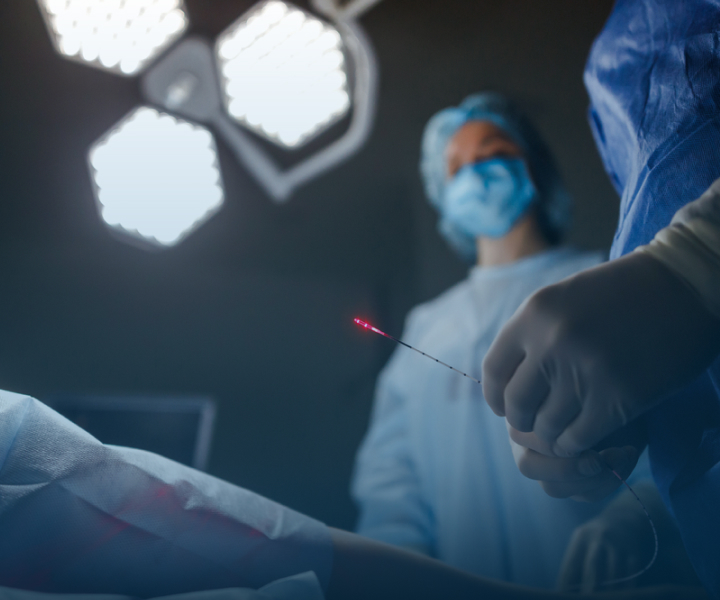
Minimally invasive stone surgery avoids painful incisions and reduces the risk of complications. We offer laser stone surgery accessing the urinary tract via small scopes. In some cases a small incision is made in the back to access the kidney with a scope. Large bladder stones can be removed using the robotic technique as well.
Elective sterilization for men is performed in the office under local anesthesia using a no scalpel technique. Local anesthetic is delivered to the skin and vas deferens tube using a needleless spray device known as a MadaJet. The skin is then punctured and the vas tube divided. Electrocautery and sutures are used to close the open ends of the tube preventing sperm from entering the semen. Sperm will no longer be found in the ejaculate 2-3 months after the procedure. Men can return to full activity within a week.
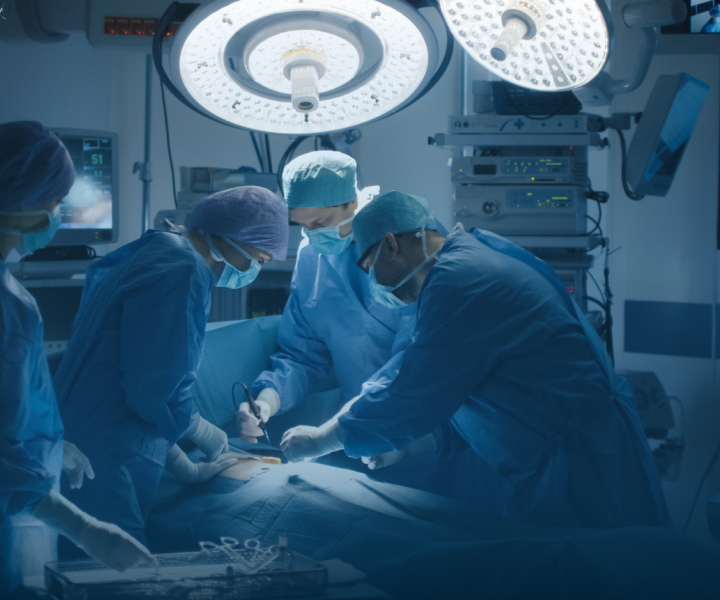

This minimally invasive procedure is performed by a skilled interventional radiologist in conjunction with our urology team. This technique can usually be performed through a blood vessel in the wrist. The major blood supply to the prostate is disrupted leading to a reduction in the size of the prostate and an improvement in urinary symptoms. The pitfalls and complications of more invasive surgery can typically be avoided while reducing the size of the prostate and improving quality of life
Shockwave lithotripsy is a non-invasive treatment for kidney stones. Shock waves generated by a machine are delivered from outside the body to penetrate soft tissue and fragment urinary tract stones into dust. We use the most accurate and effective machine along with a team who has been performing these procedures for over 20 years.

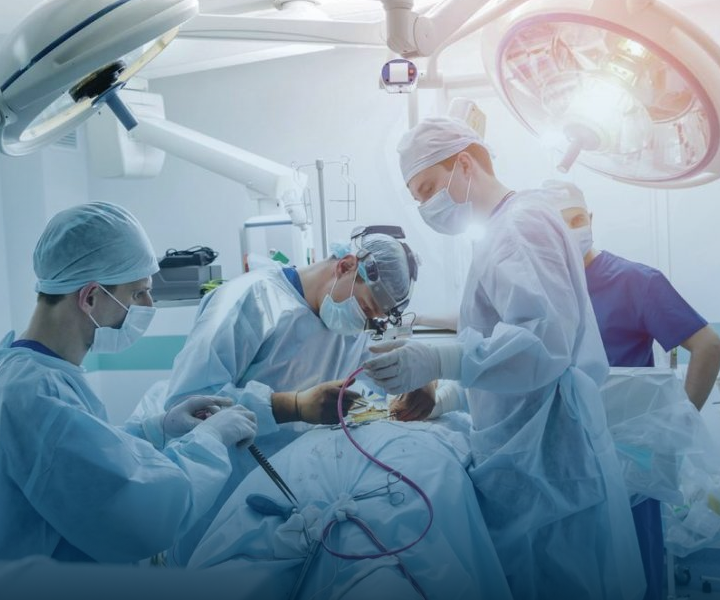
A high energy laser is used to vaporize or eliminate prostate tissue alleviating obstruction and improving the flow of the urine from the bladder. This treatment is safer than traditional prostate surgery and offers men the opportunity to no longer take oral prostate medication. This is an outpatient procedure as men go home the same day. We have an extensive experience and highly successful outcomes using this technique.
An estimated 50% of patients at 40 years of age have problems with their erections. There are a variety of conservative therapies that can help patients. When these are no longer an option, prosthetic surgery may be indicated. This surgery allows men to reconnect with their partner improving confidence and quality of life. Penile implant surgery is generally performed outpatient (return home the same day) and is covered by insurance.